The plan is simple on paper.
At 6:30, Maya’s practice reminder appears. The exercises are waiting on the table. She wants to do them, but after a long day, getting started feels bigger than the task itself.
Maybe after dinner.At 6:30, Maya’s practice reminder appears. The exercises are waiting on the table. She wants to do them, but after a long day, getting started feels bigger than the task itself.
Maybe after dinner.At 6:30, Maya’s practice reminder appears. The exercises are waiting on the table. She wants to do them, but after a long day, getting started feels bigger than the task itself.
Maybe after dinner.One missed evening becomes three. Not because the plan matters any less, but because repetition can feel lonely, clinical, and difficult to fit into everyday life.
A good plan can still be hard to begin.At Maya’s next visit, the conversation is not about blame. It is about what makes practice difficult and what could make it feel more approachable.
What would make you want to come back tomorrow?Her clinician introduces P.D. Pathways: four game-based activities designed around tremors, bradykinesia, and poor balance, all connected through one personal journey.
Not a bigger task, just a more inviting wayMaya begins with Trace. The path responds to her movement, the interface stays calm, and there is no public leaderboard asking her to compete with anyone else.
For the first time, practice feels possible tonight.Her first session becomes a starting point, not a judgement. A small completion moment gives Maya something simple and honest to build on.
One session becomes her baseline.Maya chooses different activities across the week. Each session adds another point to a picture that belongs only to her, making the routine easier to see and revisit.
Progress is a pattern, not a perfect streak.At her next appointment, Maya and her clinician open the doctor portal together. Her latest game results, overall Pathway Score, symptom scores, and recommended next activities are ready to discuss. The portal updates as sessions are completed, without diagnosing or replacing professional care.
Better Days. Built Daily.P.D. Pathways
A personal movement lab that turns daily skill practice into approachable games, helping people build a routine, follow personal patterns, and share meaningful progress with their care team.
P.D. Pathways makes those moments approachable: choose a game, play for a few minutes, and add another point to a picture that belongs only to you.
The score is then collected by the AI Agent to track progress
Four approachable games help people practise targeted skills, follow patterns against their own baseline, and bring more context into conversations with their care team.
Each activity turns intentional repetition into an experience people can understand, revisit, and make their own.
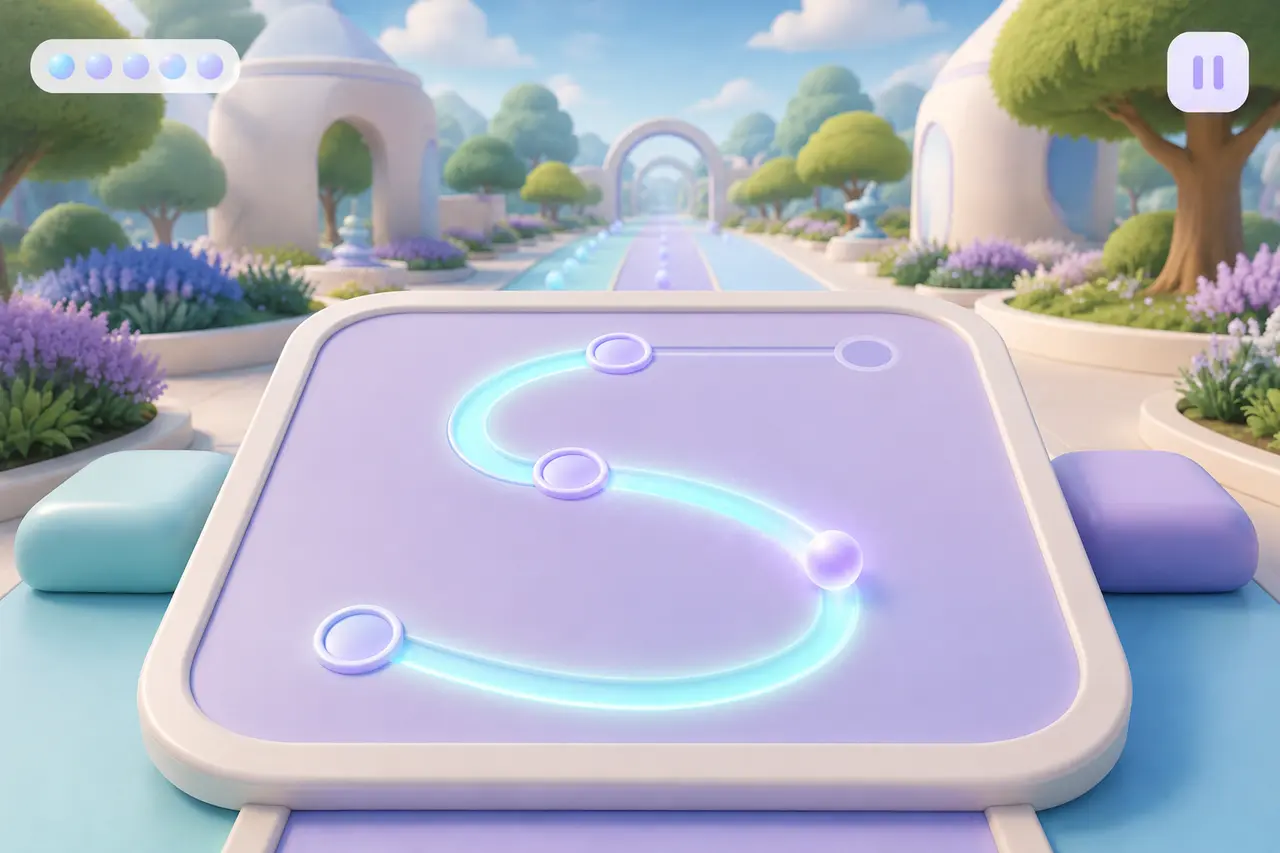
Follow a guided path with a finger or stylus.
Measures path exits, accuracy, completion time, and trace consistency.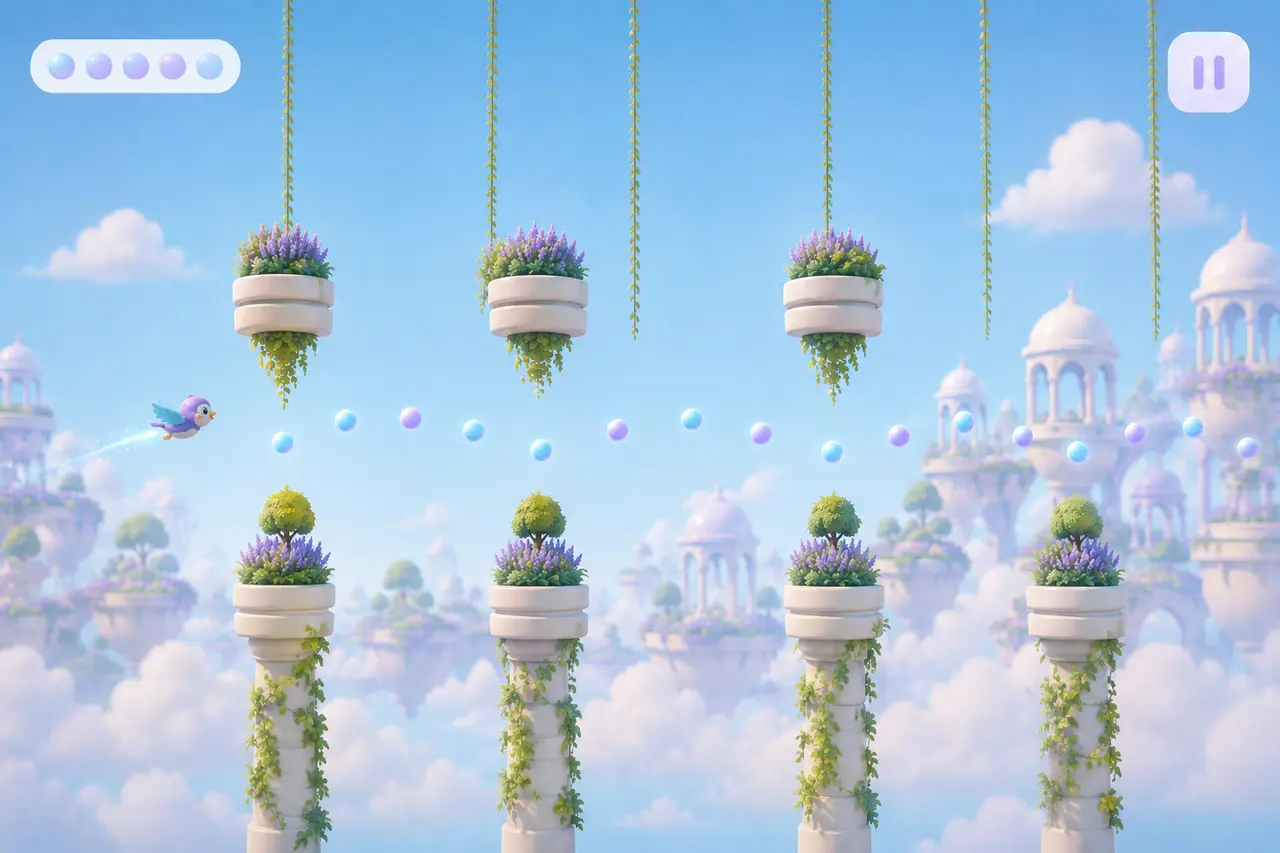
Use repeated, intentional movements to guide the bird through each opening.
Measures movement initiation, reaction time, rhythm, and consistency.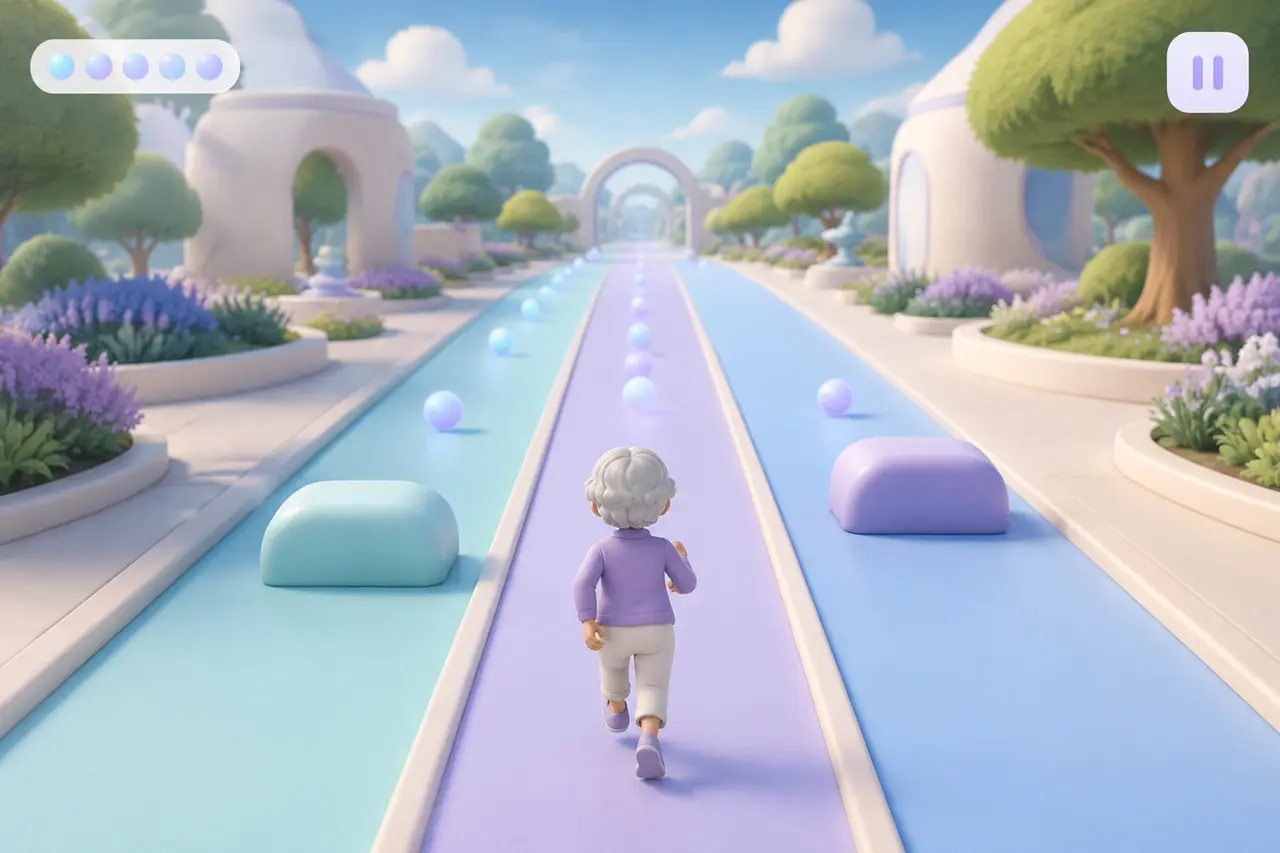
Use camera-tracked foot lifts to change lanes while standing safely in place.
Measures lane-change reaction time, weight-transfer time, torso stability, and crash rate.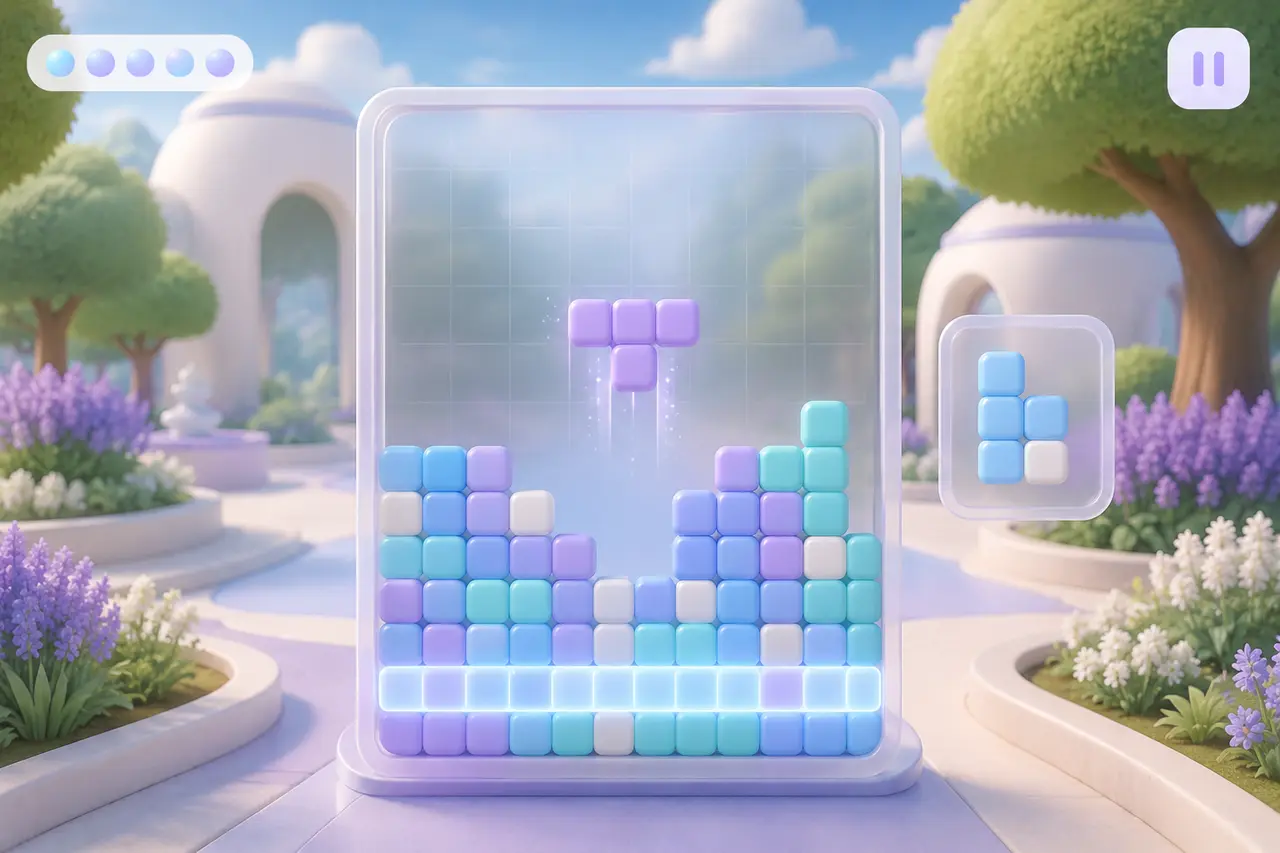
Use timed directional movements to place and rotate falling blocks.
Measures response time, movement initiation, placement speed, and accuracy.After each game, the AI agent brings the results together to recommend which activity may be most useful next. It creates one overall Pathway Score and separate scores for tremors, bradykinesia, and poor balance, helping the patient and doctor follow the same personal progress picture.
Finds personal patterns, updates scores, and suggests a game to play next.
TraceSuggested from recent personal game patterns
See the overall score, symptom scores, and an approachable next activity in one place.
Doctors can view recent game results, overall and symptom scores, trends, and AI-recommended activities in real time.
Scores and recommendations summarize personal game patterns. They do not diagnose Parkinson's disease, determine treatment, or replace professional judgement.
Your first session creates a personal baseline. Future sessions add context, helping you and your care team follow patterns without leaderboards or comparison to strangers.
Trace, Flappy Bird, Subway Surfers, and Tetris are all represented in the current prototype.
The concept has been discussed with two professors. Their input informs development; it is not a claim of clinical validation.
“Build with people, not for them.”
We invite anyone to share feedback and shape the future of Parkinson's Disease care with us
Camera input is designed to be analyzed without storing videos, just landmarks.
Clear language, generous controls, reduced-motion support, and alternatives to gesture-only interactions.
P.D. Pathways is designed to support practice and conversations, not diagnose, cure, or replace professional care.
Join the people helping shape a more engaging way to practise, follow progress, and stay connected.